
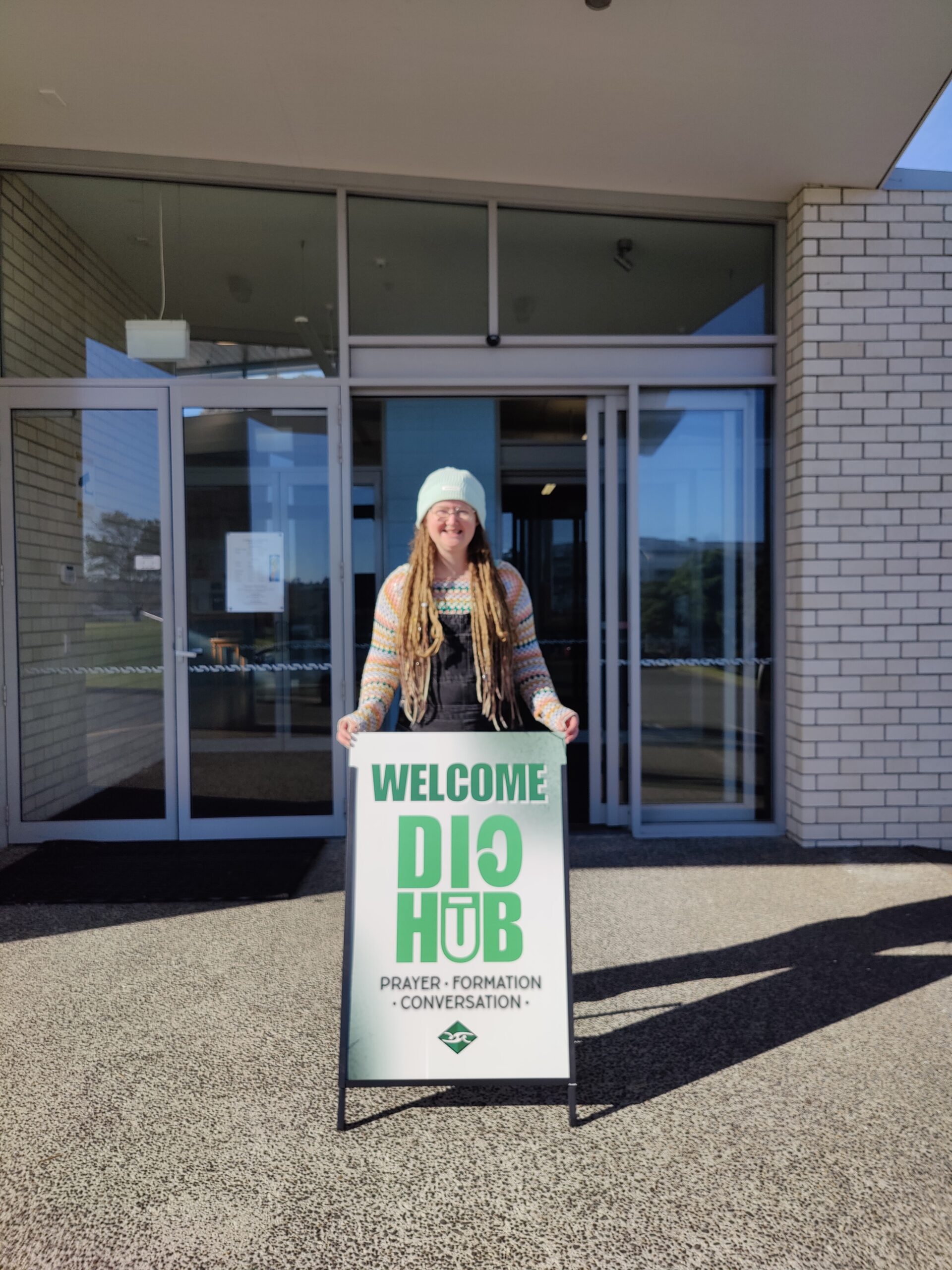
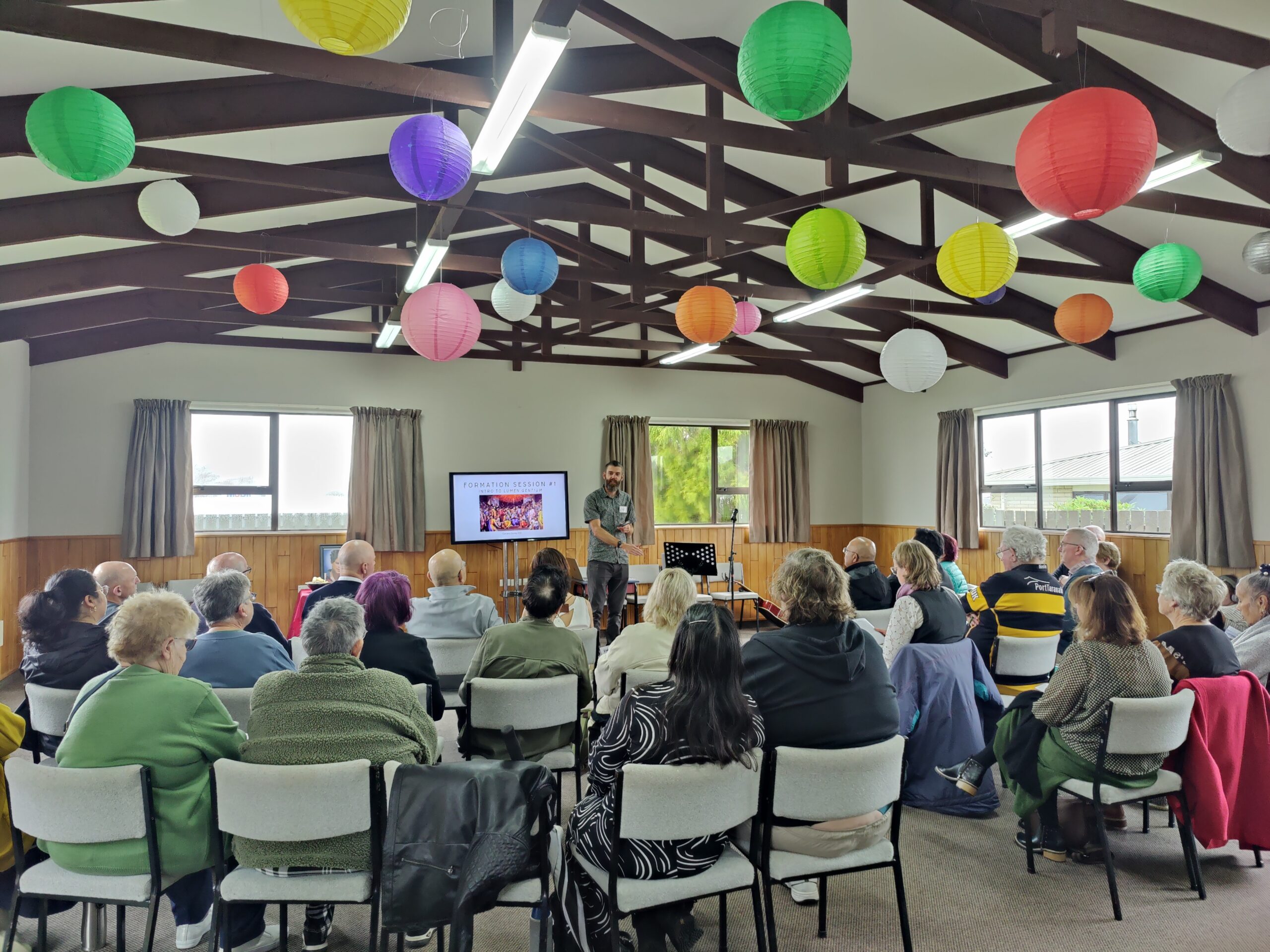
 On Saturday 30 May and Sunday 31 May, parishioners gathered for the second round of Diocesan Hubs, held in Whanganui and Stratford. These gatherings continued our diocesan journey through the documents of Vatican II, this time focusing on Lumen Gentium, the Dogmatic Constitution on the Church.
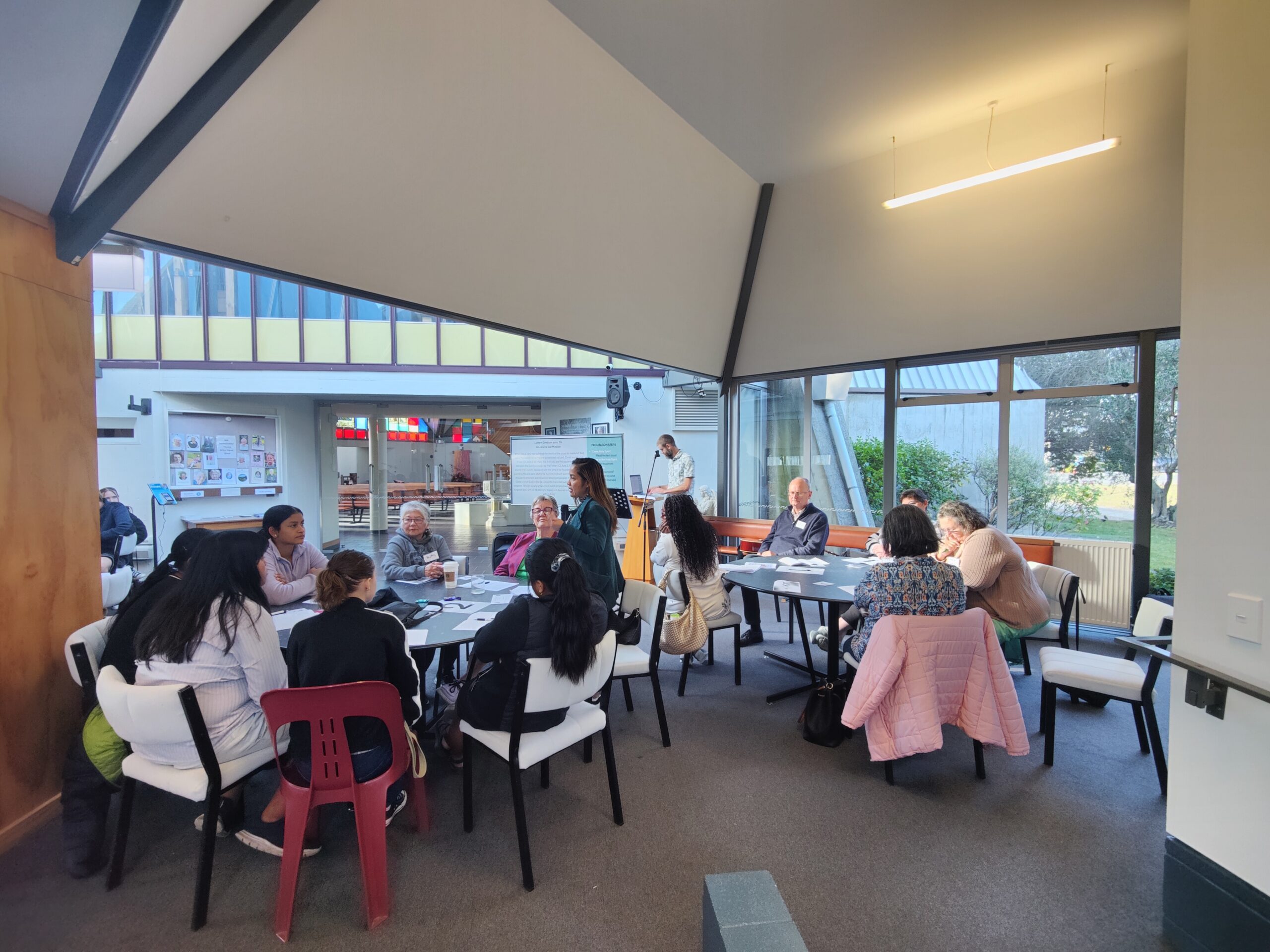
In Whanganui, it was a joy to gather with parishioners from across the generations, including members of the parish youth group, along with Fr Craig Butler and Fr John Roberts, and a small contingent from Palmerston North who came to assist. A special word of thanks goes to the parish community in Whanganui for their warm hospitality and generous welcome.
In Stratford, people came together from across Taranaki, including families with young children and parishioners from Waitara, New Plymouth and Hāwera, joining the parish of Central Taranaki. With Fr Nathaniel and the parish leadership team hosting, and clergy from across the region present, including Fr Simon Story and Mons David Bell, the day carried a strong sense of diocesan family coming together in faith, formation and prayer.
Cameron Surrey led the formation across both Hubs, helping participants enter more deeply into the mystery of the Church and her mission. The focus for the day was Lumen Gentium, which begins with the words: “Christ is the Light of nations.” The Council teaches that because Christ is the Light, the Church desires to bring His light to all people and to be a sign and instrument of union with God and of unity among the whole human race.
 Reflecting on paragraph 1 of Lumen Gentium, Cameron drew on Pope Leo XIV’s recent reflections on artificial intelligence. Pope Leo has reminded the Church that AI is “above all else a tool”, while also warning that access to data must not be confused with intelligence, and that wisdom lies in recognising the true meaning of life. In a world where we are increasingly asking questions of tools like ChatGPT, the deeper question is not only how we use technology, but what kind of people we are becoming as we use it.
In that light, participants were invited to turn directly to Jesus—not as a source of information, but as the living Lord who speaks, guides, forms and sends His people. After the first formation session, they entered into a time of prayer with the question: Jesus, how do you want to be my light?
The second formation session focused on Lumen Gentium paragraph 12b and the charisms given by the Holy Spirit. The Council reminds us that the Holy Spirit distributes special graces among the faithful of every rank, making them ready to undertake the tasks and ministries that build up and renew the Church. These gifts are given not for personal status or achievement, but for the building up of God’s Kingdom and the renewal of the Church. Time was taken for participants to reflect on the charisms and notice what stood out or resonated with them.
 Cameron also helped participants reflect on the difference between natural skills and charisms. With natural skills, we practise in order to improve; with charisms, we must keep returning to the Source. They are given by the Holy Spirit for the good of others and for the mission of the Church.
He concluded with a striking image: fish flicking into the boat. At a time when we are hearing reports of increasing numbers of people entering the Church and asking deeper questions of faith, something is stirring. Yet much of this does not appear to be the result of our own efforts or carefully laid plans. It is almost as if the Holy Spirit is growing impatient—not waiting for us to cast the nets, but flicking the fish into the boat.
This is a moment of grace, but also a moment of responsibility. If the Lord is already drawing people to Himself, perhaps the question is whether we recognise His movement, whether we are ready to make room in the boat, and whether we have the courage, hospitality and faith to receive those He is sending.
The structure of the Diocesan Hubs is also part of the learning. The Hubs are not simply events to attend, but a glimpse of a way of reflecting on the rich documents of the Church within homes, prayer groups, parish ministries, schools and teams. Beginning with “Come Holy Spirit”, reading the text together, listening, sharing and discerning where the Lord is leading offers a simple and prayerful way to seek God’s voice together.
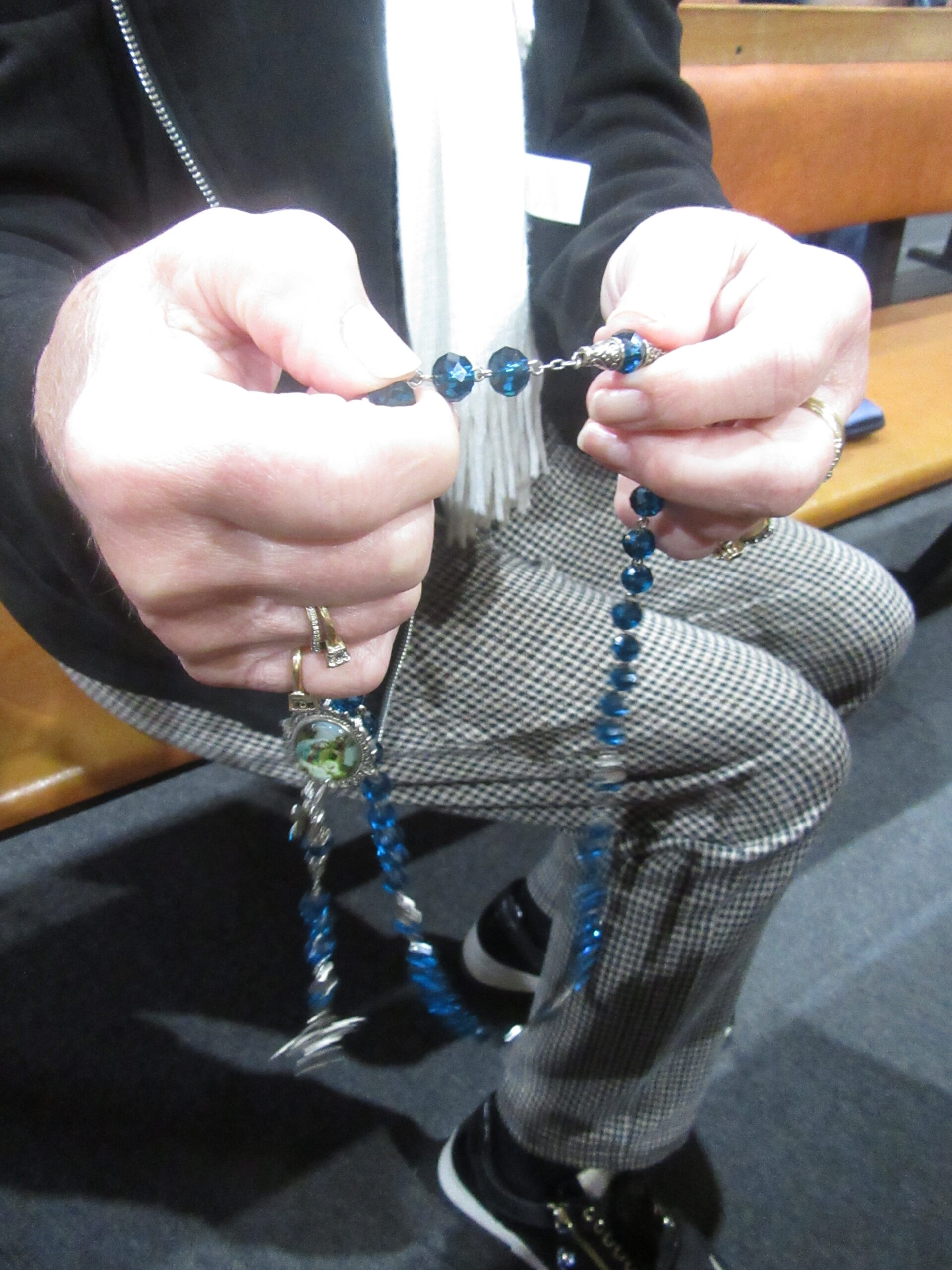
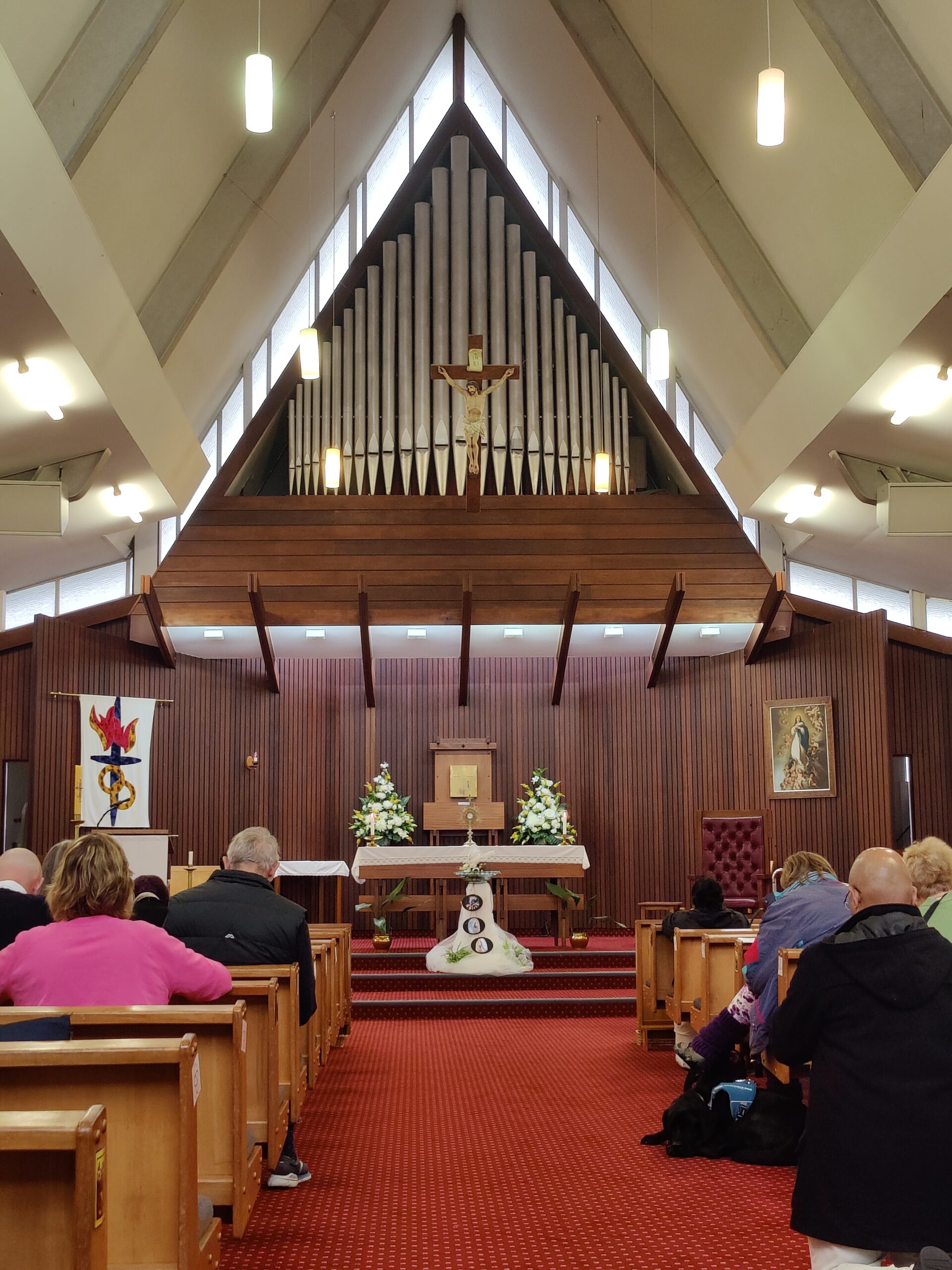
 The Hubs concluded with what many described as the highlight: time with Jesus in Eucharistic Adoration. In the quiet of prayer before the Blessed Sacrament, Cameron invited participants to bring the day’s reflections to the Lord with the question: Jesus, how do you want me to bear your light?
The Diocesan Hubs are not the renewal itself; they are places where we learn to listen for it, discern it, and begin living it. As we continue to gather across the regions of our diocese, may the Holy Spirit rekindle in us the Church’s missionary identity, so that our parishes, families, schools and communities may shine more brightly with the light of Christ.
The next opportunity to continue this journey will be the Deep Dive Online on Wednesday 24 June, 7:00pm–8:30pm, where we will reflect further on Lumen Gentium. Register at: https://bit.ly/deepdive24jun.