
The final working bee of 2026 brought another milestone for the Kopua-riki Habitat Restoration Project at Southern Star Abbey, with the last section of fencing completed and volunteers gathering to round off a year of planting, practical care and community involvement.
The project protects and restores a precious remnant of the once vast Seventy Mile Bush beside the Manawatū River. Regular working bees have brought together volunteers to remove invasive weeds, plant native species, maintain tracks and support pest control. Following the planting of 1,700 trees over Matariki this year, the focus has shifted from large-scale restoration to caring for the growing habitat and filling smaller gaps. By September, recorded volunteer contributions had reached 2,550 hours.
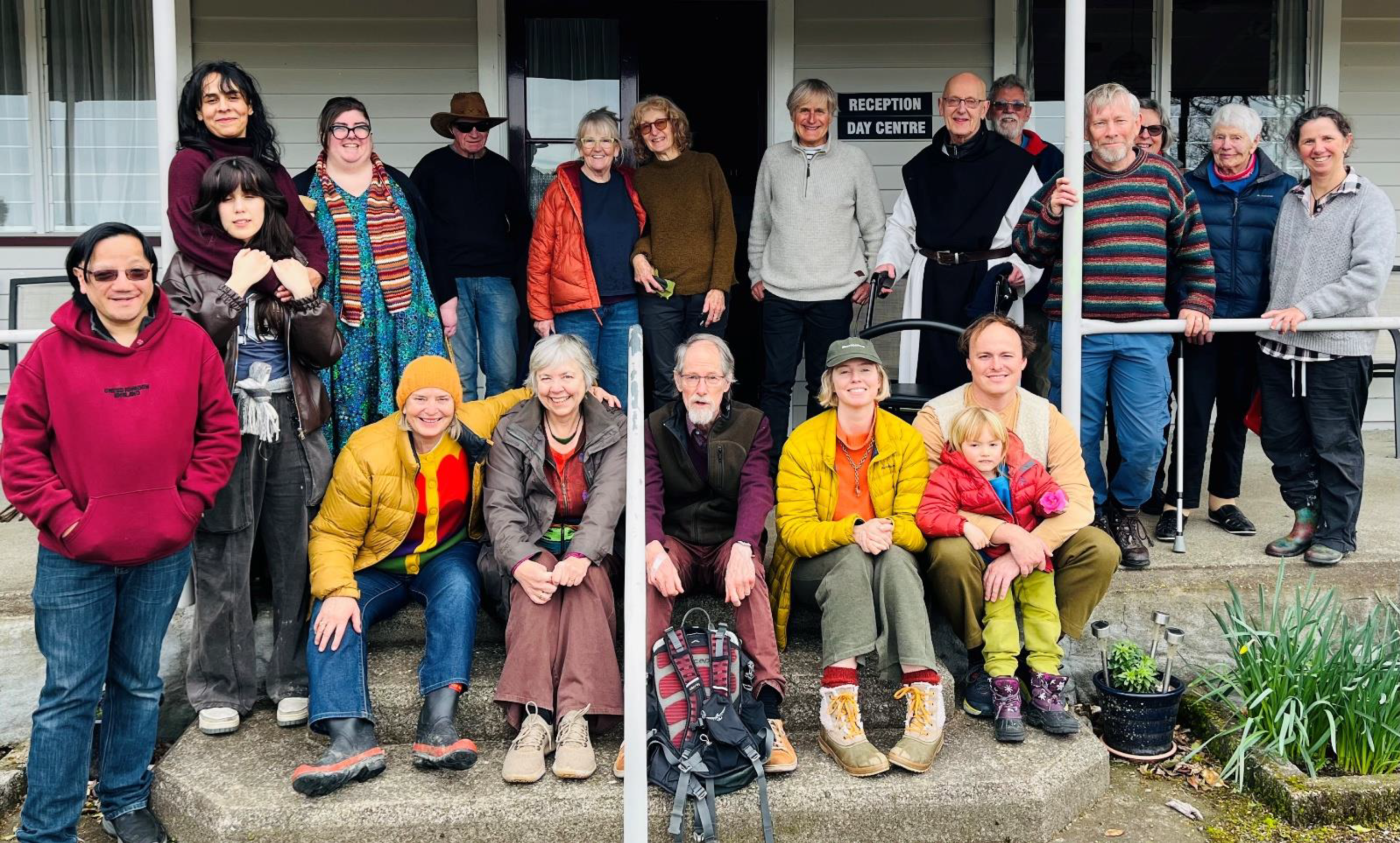 In August, 18 members of the Religious Society of Friends (Quakers) from Hawke’s Bay and Palmerston North visited Kopua. After joining the monks for afternoon prayer and exploring the grounds, they cleared weeds and placed weed mats around recently planted native trees. Seeing the Manawatū River as a small stream was a highlight, while conversations revealed several personal connections with the monastery. The visitors appreciated both the peaceful setting and the opportunity to contribute to its care.
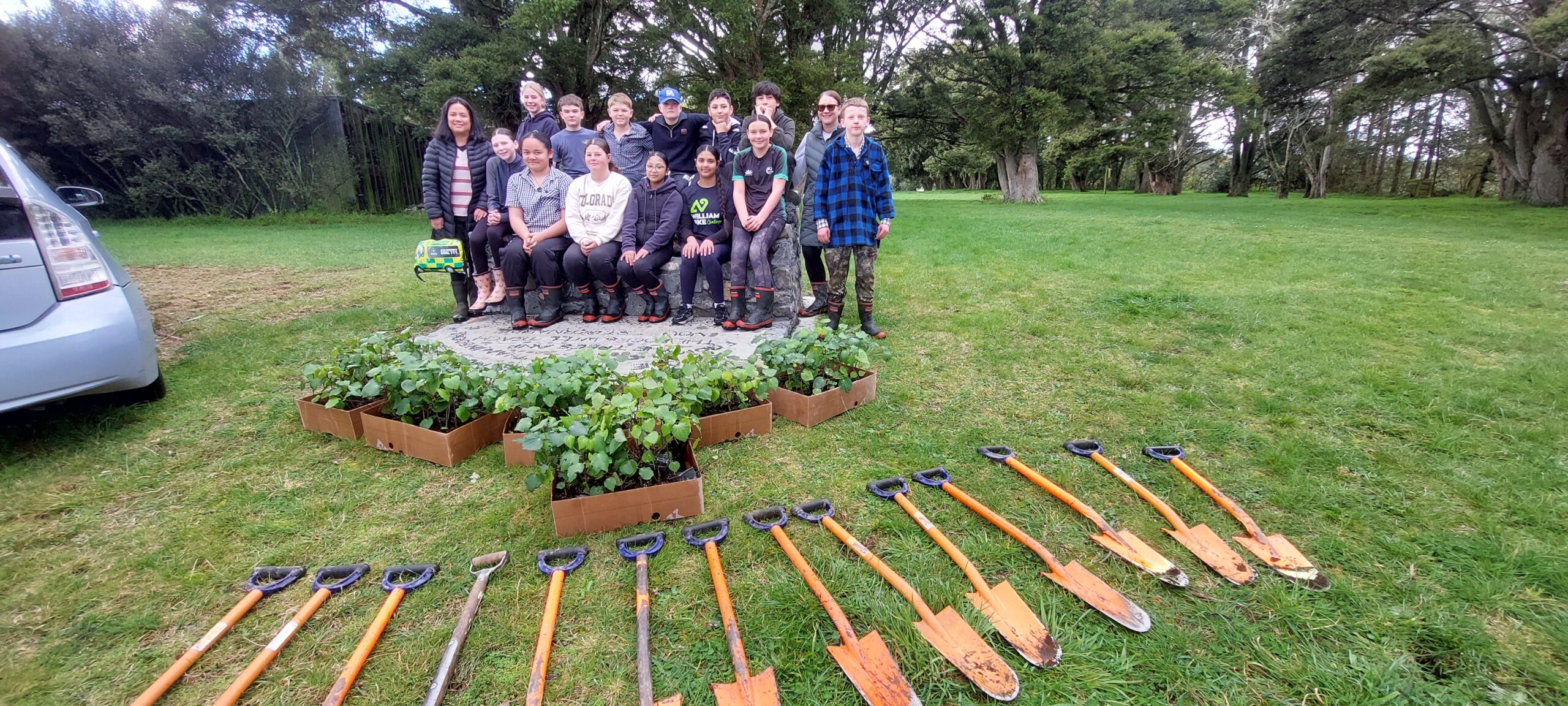 September brought a visit from the Year 8 students of St Joseph’s School, Waipukurau. Following a welcome and introduction to Southern Star Abbey, the students joined the monks for midday prayer before planting 200 kawakawa along St Benedict’s Way, Stephen’s Way and the bush edge near the monastery buildings.
Kawakawa had been absent from Kopua for many years because of browsing by livestock and wildlife. Its return, supported by funds donated a couple of years ago, is also a step towards developing a memorial walkway honouring Suzanne Aubert. Aubert visited her friends, the Johnsons, near Kopua on two occasions, and the planting will help connect the walkway with her interest in medicinal plants.
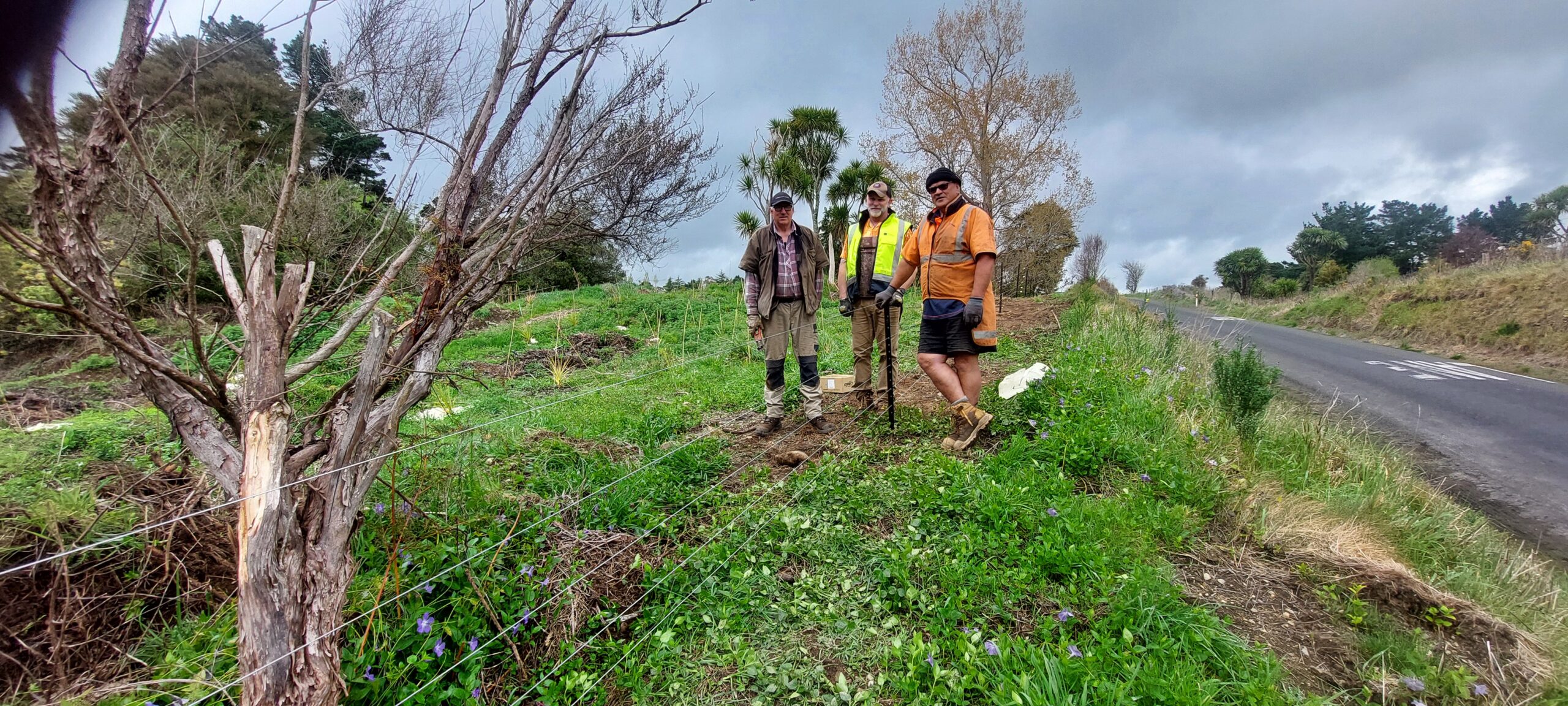 At the final working bee on 10 October, the pest control, weeding, kitchen and hospitality, and fencing teams came together. The fencing team completed the final fencing section required at the site. Meanwhile, four kererū perched together in a nearby tree drew the attention of those gathering for a photograph — a sight that has been uncommon there for some years.
Looking ahead to 2027, the project hopes to share an education archive with schools, continue planting in small clearings, develop the Suzanne Aubert memorial walkway, and explore and document the biodiversity of the bush around the monastery. With the major restoration work now giving way to ongoing care, there is still plenty to do — and the year’s visits and working bees show how many different people can play a part in caring for this special place.