
Dr Robyn Andrews, a Research Fellow at Massey University and a parishioner at St Mary’s in Palmerston North, brings a unique perspective to her research on contemporary parish life in Aotearoa New Zealand.
She will also be publishing a series of more detailed pieces in Tui Motu.
Continuing with the ‘migrant churches’ research findings, this report focusses on priests, both migrant priests and those formed in Aotearoa now working in parishes with majority migrant congregations. There appears to be distinct challenges for both groups.
Migrant priests:
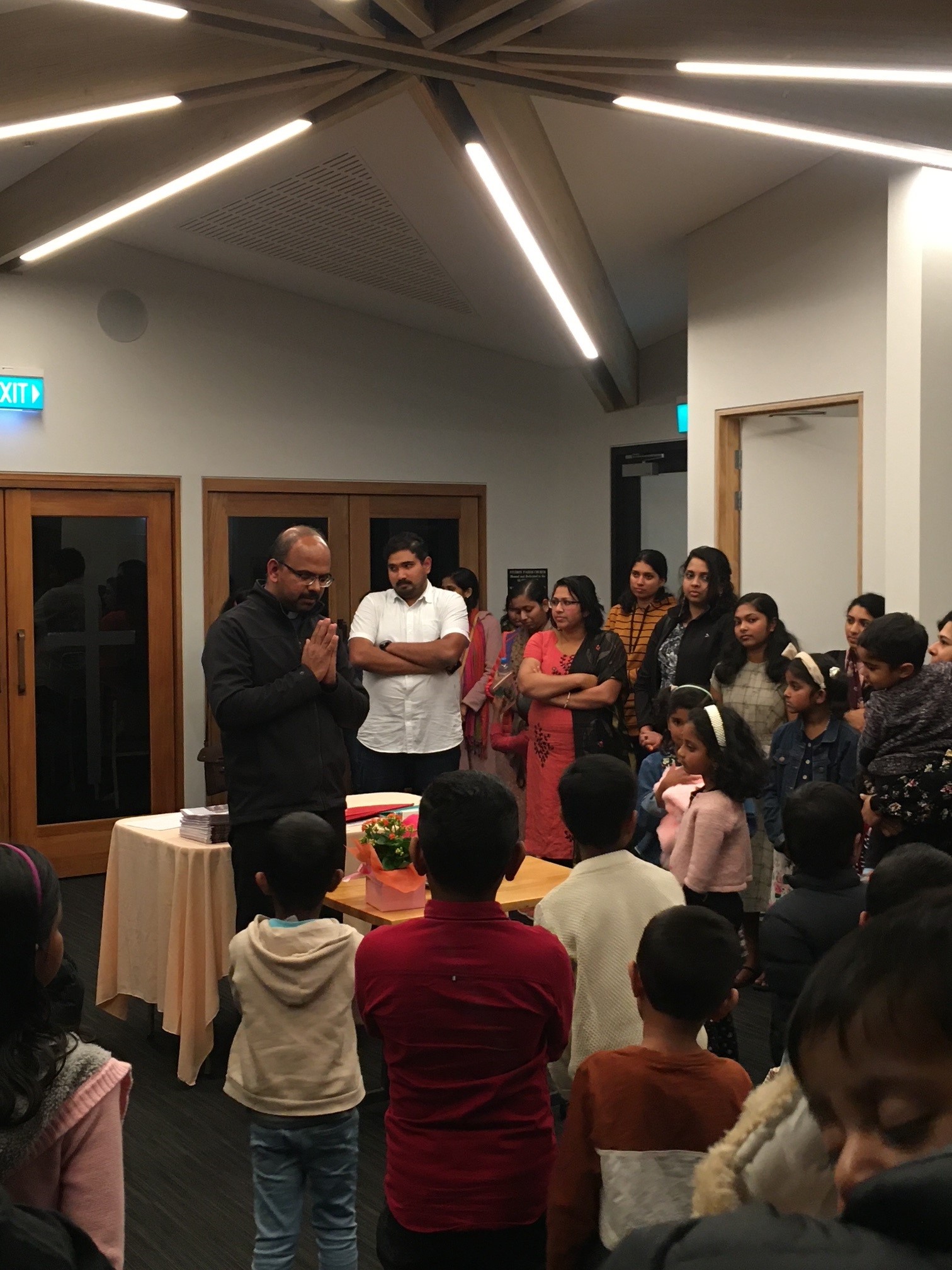 The migrant priests I interviewed came from several Asian countries with a range of years of parish experience. Most said they knew very little about Aotearoa before they arrived. One, for example, said what he knew was primarily cricket-related: he recalled watching his parish priest’s TV in the 1980s when New Zealander Richard Hadlee was playing in test matches against India. Another said he’d been told New Zealand was “a dream country”. One also reported that he was given some information on New Zealand and the parish and society he was coming too, and the advice that he would need to be open to a diversity of cultures and to working with women.
As well as these various cultural and gendered expectations, I was told about other differences, such as their country’s more hierarchical, male dominated parish structure. There, they said, the parish priest had much more authority to make decisions for the parish. One priest reflected that:
There [in his country of origin] we can tell people to do this and that and all, but I found that here it is much more of a collaborative work situation, and there’s more consultation. I found we work together really, sharing responsibilities. I think that’s something. I like it also. It took a while to understand that kind of church, but I like that structure more. There’s more synergy in doing it this way.
Cultural and liturgical (re)orientation:
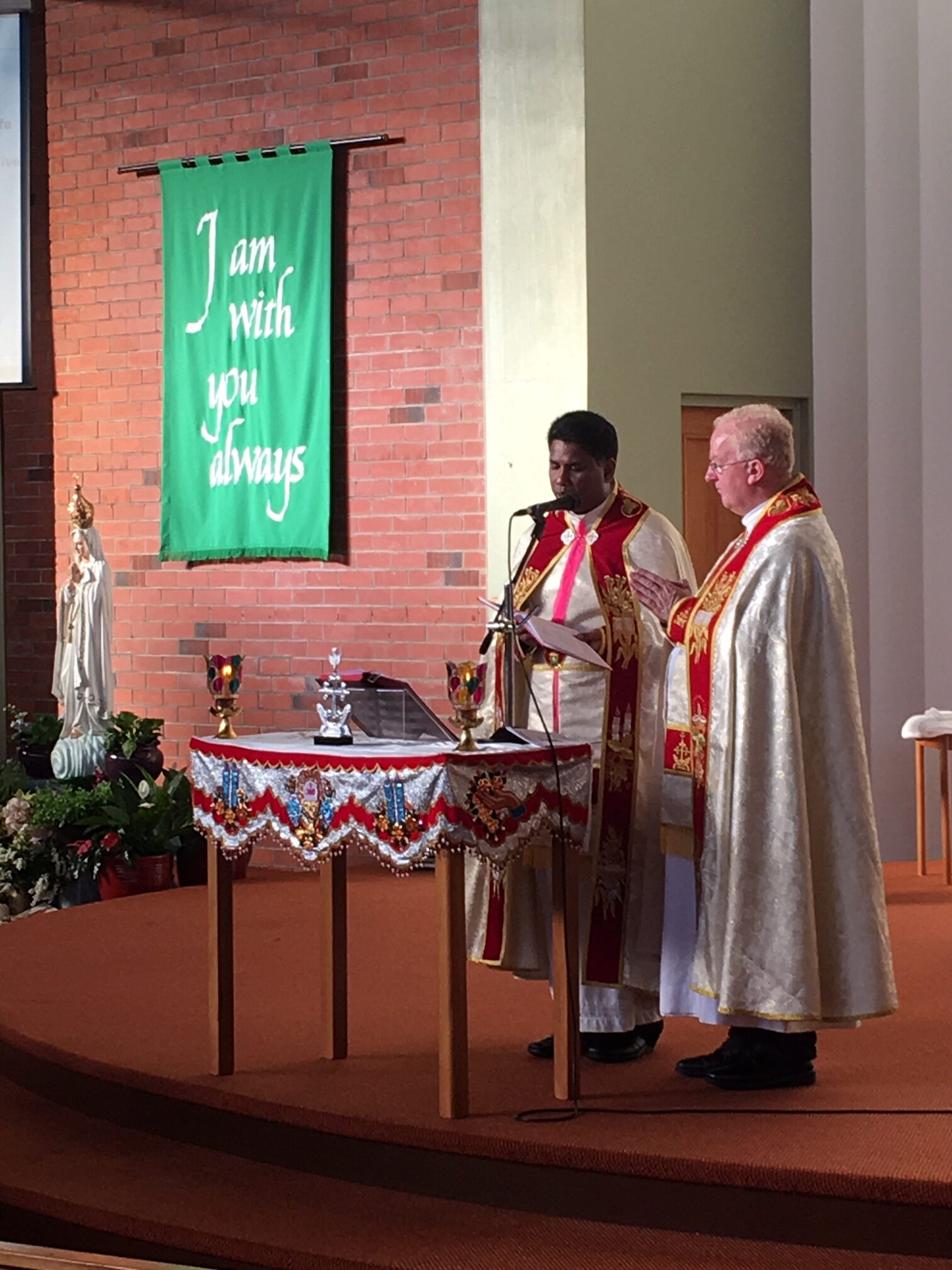 Based on interviews with priests as well as congregants, it appears there is very little formal training or formation for new priests to the diocese. This has not always been the case. A decade or so ago there was a formal induction process led by the diocese. This included an overview of liturgical norms, and Aotearoa’s biculturalism and how it should inform ministry. Newly arrived priests visited a local monastery, Catholic schools and overnighted on a marae. They were given modules on “other issues pertinent to their ministry in New Zealand [including] our different churches and people, safeguarding issues, even what they might wear.”
One priest who had this type of induction felt he was fortunate, also in initially living in community with a Pākehā priest he got on well with, then with a well-assimilated priest of his own background. He said he followed their example and asked many questions. In addition, he regarded an older New Zealand priest as a mentor, and he had regular meetings with a professional counsellor – a service available to all priests in the diocese. What also aided his understanding of New Zealand cultural norms and expectations were meals in the homes of longstanding parishioners. I heard that this priest was well regarded in his parish, and in tune with local expectations and cultural norms. In terms of pastoral care, he said he has changed his approach since being in Aotearoa:
“[Back home] we quite literally follow the teachings and the practices and traditions from what comes from Rome. […] But after coming here, I came to see the broader sense of the meaning of all these laws and the rules actually, in order to reach out to people. […] I don’t, these days, strictly follow the laws like that. I would be much more compassionate. Like taking the example of Pope Francis, definitely.”
Priests arriving from other countries now receive very much less formal orientation before being placed in a parish. At present it appears that after a brief induction, and monthly pastoral days, new priests are offered extra formation when the need becomes apparent rather than anticipating it. I was also told that Parish Councils and Liturgy Committees were expected to offer guidance on liturgical issues and cultural norms.
Given the current orientation process, perhaps it shouldn’t be surprising that I heard from a number of congregants (particularly longstanding), as well as some priests, that post-Vatican II understandings of spirituality, pastoral practice and liturgy was being ‘watered down’, or ‘back-tracked’, by some of the newer priests. I was also told that some did not understand the norms of ‘respectable’ dress or behavior in Aotearoa.
With a more robust and comprehensive orientation programme, followed by regular mentoring, some challenging pastoral situations could possibly be avoided or better managed. This is especially important given that it is within a priest’s purview to introduce some changes at parish level. Priests can hardly be held fully accountable if there is inadequate orientation for their ministry to Aotearoa. For their part they need to be open to the likely need for adjustment to local liturgical and cultural norms.
Priests formed in Aotearoa:
By contrast, priests formed in Aotearoa, who are mostly Pākehā, shared their concerns focusing on two key, and related, areas. The first was feeling quite overwhelmed by the new and unfamiliar demands made by recently arrived parishioners, and the other was a deep concern about whether they ‘get it right’ in terms of the liturgical and pastoral care they offer migrants. The following quotes illustrate these positions. One priest described some of the new liturgical services he was called on to perform:
“Yes, like car blessings, house blessings are far more frequent, and also anniversary follow-ups to a death. It is far more frequent to observe anniversaries or certain time lapses that traditionally are honoured. And engagements will be a formal liturgical celebration with a meal afterwards.”
Another added that:
“Some cultures have a different style in that they would be more, far more, devotional, and maybe, like the Filipino community, more inclined to want to sing. And the Indian community would be far more inclined to want to have loud music and bright lights and balloons maybe, and very bright colours. And that impacts on my ministry in that I’m just not familiar with that style and I can find it difficult to connect with some of that, at a certain level.”
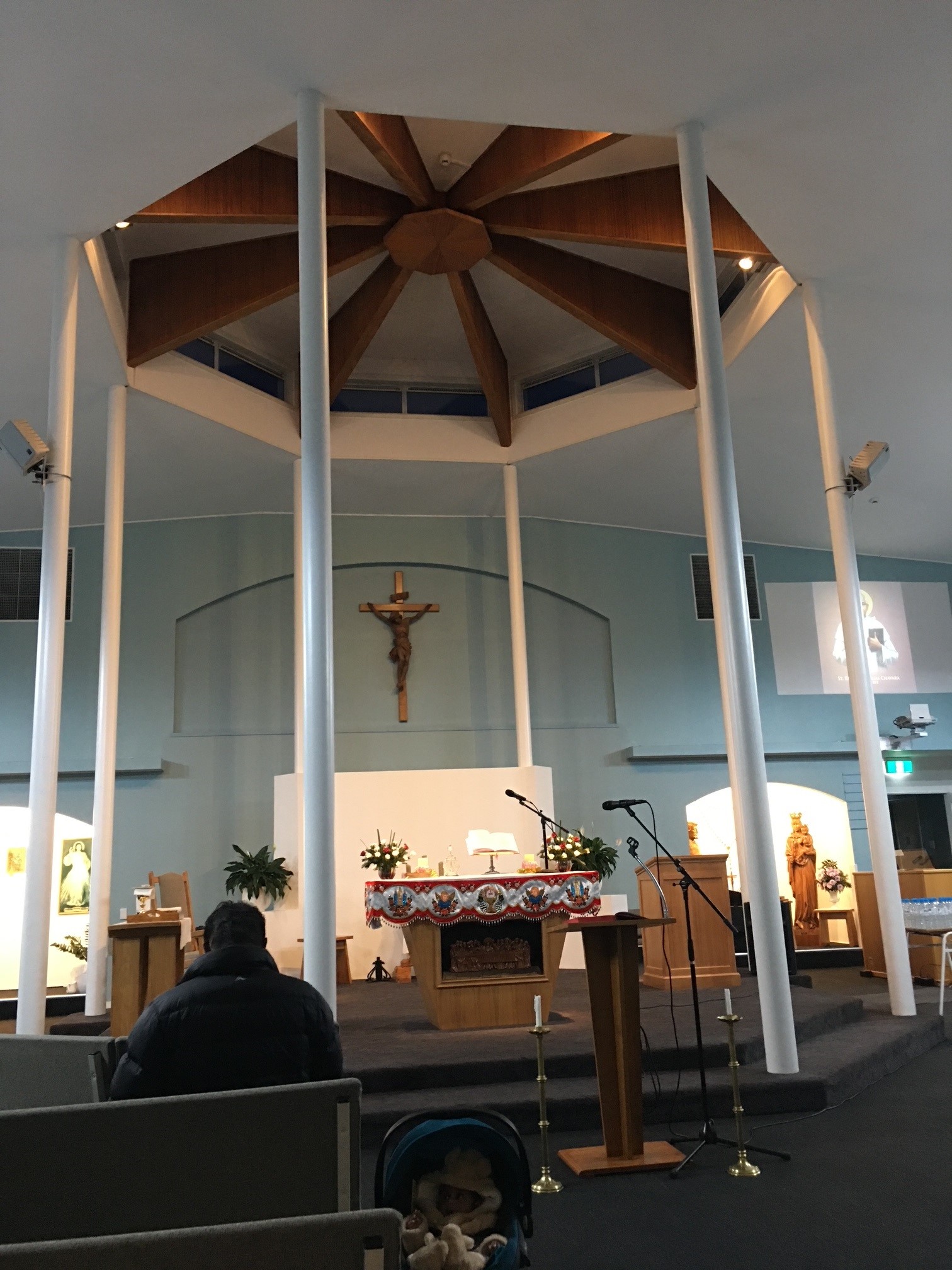 Another pointed out that there can be problems with language, and in devotional emphasis, giving the example that in some cultures, “Mary is raised up probably a little higher than, than what we would have expected, whereas in Western countries Jesus Christ is now front and centre.” Another reflected on his ministry in this way:
“I think the challenge is to know how to help them connect with our Lord, because I think they come out of a very different space […]. And I’m not sure whether the way we celebrate liturgy helps them to enter into an awareness of who they are in God’s eyes. And that’s what’s really important.”
These priests could perhaps be better supported by the diocese with some guidance about what is important, and why, to these new migrant parishioners, for example, their different forms of devotion, and significance of particular feasts. Some adjustment or accommodation may be considered for certain occasions, without deviating from Vatican II or Synodal requirements. Done well, this must elevate the experience of both migrants and priests.
As a result of my research, I empathise with both recently arrived migrant priests, as well as Pākehā priests ministering in migrant parishes. Migrant priests risk being inadequately prepared to understand how they can best serve in New Zealand parishes. Locally formed, mostly-Pākehā priests, are now ministering to parishioners whose needs and expectations can be different to what they are used to. A recognition and understanding of these gaps in the ongoing formation of priests would be a valuable first step in enhancing parish experience for priests and parishioners alike.